About PUR foam
Polyurethane foam (PUR) is a thermosetting polymer obtained by mixing two components. During reaction the material expands into foam with a porous structure.
PUR foam can be open-cell or closed-cell. Depending on the structure, it provides very good thermal and acoustic insulation, and closed-cell variants also improve vapor and moisture resistance.
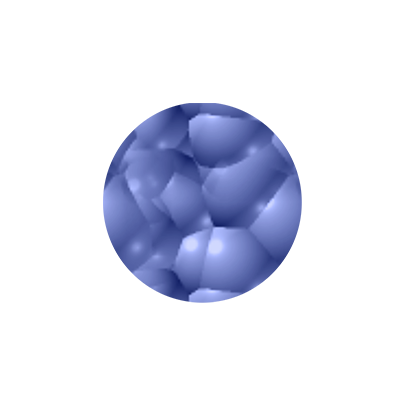
Closed-cell PUR foam
Closed-cell PUR foam (30-40 kg/m3) is a dense insulation solution with lower thermal conductivity than many conventional materials.
This makes it possible to reach required thermal values with thinner layers. Closed-cell foam is used from foundations to roofs.
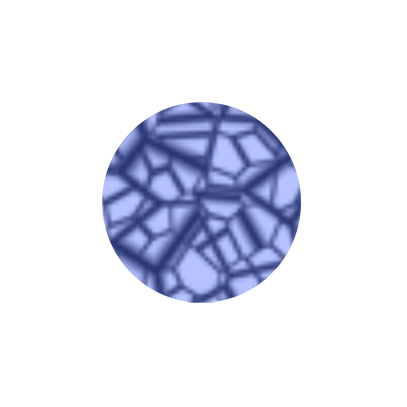
Open-cell PUR foam
Open-cell PUR foam (7-15 kg/m3) is lighter and softer than closed-cell foam and remains an efficient insulation option.
Its breathable and soft structure provides good acoustic performance and makes it suitable for timber constructions.
Unlike closed-cell foam, open-cell systems usually require additional vapor and wind barrier layers.
PUR Foam Properties
PUR foam is one of the most promising modern insulators due to low thermal conductivity, durability, sustainability, and long service life.
Saves time - installation process is fast and efficient.
Low waste - all material handling is organized on site.
Seamless layer - reduces thermal bridges and air leakage.
Higher performance with thinner layers.
Helps reduce heating and cooling costs.
Works well in complex and hard-to-access areas.
Contact us by email or phone!
Background
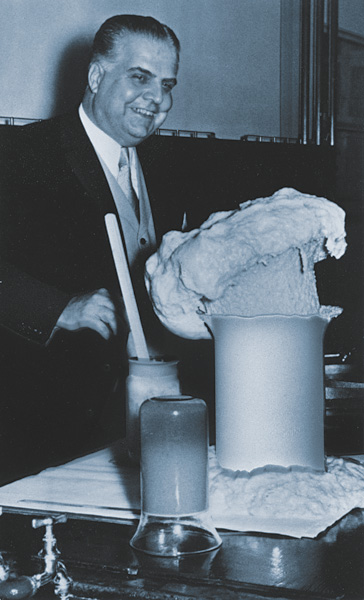
Polyurethane was developed in Germany in the 1930s. A key breakthrough was achieved by Dr. Otto Bayer in 1937.
Due to simple production and versatile use, polyurethane quickly became important in multiple industries.
Commercial polyurethane products appeared in the US in 1948 and expanded rapidly in the following decades.
Source: Estonian National Museum